
 By Kelly
Smart connectivity is transforming how industrial boilers are designed and controlled. Engineers now focus on creating responsive systems that think, adjust, and optimize in real time. Through IoT, performance data becomes the foundation for innovation and reliability. Every Industrial Steam boiler manufacturer now uses these insights to enhance both safety and operational precision.
Evolving Role of Smart Connectivity
IoT has moved boiler design from mechanical control to intelligent automation. Integrated sensors now communicate with control modules, fine-tuning combustion and temperature balance. This shift allows systems to anticipate load changes instead of reacting to them. With each data cycle, manufacturers gain sharper visibility into real-time boiler behavior.
IoT-Driven Efficiency Strategies
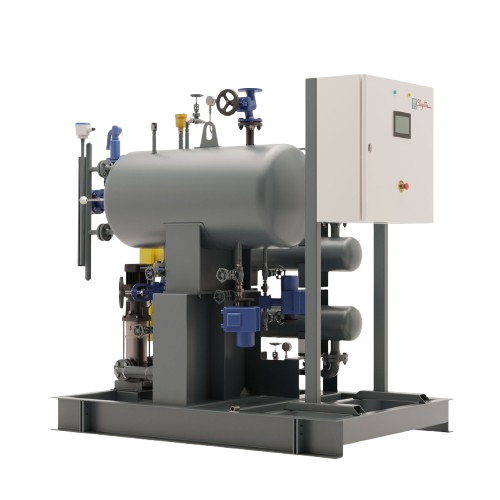
Modern efficiency design relies on constant measurement and automated feedback. Engineers use IoT data to improve energy ratios and heat transfer rates. Systems adapt on their own, achieving balance between performance and fuel consumption.
- Sensor calibration reduces temperature variation in operation
- Data feedback identifies declining pressure trends early
- Predictive signals minimize manual inspection cycles
- Smart valves maintain optimized combustion across shifts
These adaptive mechanisms turn ordinary boilers into dynamic, self-regulating assets. Over time, efficiency gains grow more noticeable across industrial workflows.
Benefits of Intelligent Boiler Monitoring
Intelligent monitoring turns simple readings into actionable insights. Operators no longer wait for visible faults to respond. Instead, dashboards show evolving trends that shape maintenance scheduling. This clarity helps design teams improve durability and performance in upcoming systems, reinforcing the link between technology and craftsmanship.
Are Remote Controls Reliable Enough?
Remote management once raised reliability concerns among operators and designers alike. Today’s IoT controls use layered communication safeguards to maintain steady response. When sensor data fluctuates, teams are instantly notified and can act remotely. That dependability reinforces confidence in remote operations for even high-pressure applications.
Predictive Intelligence Transforming Boiler Operations
Predictive algorithms now analyze thousands of data points to refine boiler architecture. Each Industrial Steam boiler manufacturer applies these insights to boost efficiency and thermal consistency. Predictive modeling helps identify component stress before it turns critical, ensuring equipment longevity and smoother daily operation. Intelligent analysis is fast becoming the designer’s strongest decision-making partner.
Integrating Data Insights for Future Designs
Manufacturers are now building future-ready frameworks guided by real-world IoT data. The feedback loop between machines and designers shapes faster innovation cycles. With every project, industrial boilers become more precise, adaptive, and intuitive. Data connectivity is no longer optional—it defines the next generation of smart boiler design.